
Your cart is empty now.

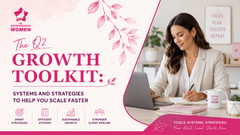
The Spring Business Launch Toolkit: Templates and Strategies to Prepare for Q2 Success
- 14 March, 2026
- Samuel Chukwuma
Spring is one of the most powerful seasons for business growth.
Customers are more active.
New products are introduced.
Marketing campaigns gain momentum.
For entrepreneurs, it’s the perfect time to launch something new or reposition your business for the next stage of growth.
But successful launches don’t happen randomly.
They happen through planning, systems, and clear execution.
That’s exactly why we created the Spring Business Launch Toolkit, a structured set of templates and strategies designed to help founders prepare for a strong Q2.
Why Spring Is the Ideal Launch Window
Spring represents renewal, energy, and forward movement. In business terms, it’s a natural transition between Q1 planning and Q2 expansion.
Many successful founders use this period to:
-
Introduce new products or services
-
Refresh brand messaging
-
Launch marketing campaigns
-
Expand into new markets
When you plan your launch strategically now, you position your business to grow throughout the rest of the year.
Inside the Spring Business Launch Toolkit
This toolkit is designed to simplify the launch process so founders can focus on execution rather than guesswork.
Here are the core components.
1. The Product or Offer Clarity Template
Before launching anything, you must answer three questions clearly:
-
What problem does this solve?
-
Who specifically is it for?
-
What transformation does the customer receive?
The Offer Clarity Template helps you define:
-
target customer profile
-
core problem and solution
-
pricing strategy
-
positioning statement
Clarity at this stage makes marketing significantly easier later.
2. The 30-Day Launch Planning Framework
Many founders either rush a launch or overcomplicate it.
The 30-Day Launch Plan helps you break the process into manageable phases:
Week 1 — Strategy
-
finalize offer
-
prepare messaging
-
create launch goals
Week 2 — Content Preparation
-
marketing content
-
email campaigns
-
social media schedule
Week 3 — Pre-Launch Buzz
-
audience engagement
-
early access or waitlists
-
partnerships or collaborations
Week 4 — Launch Week
-
sales push
-
announcements
-
testimonials and social proof
A simple framework keeps your launch organized and intentional.
3. Marketing Campaign Planner
A successful launch requires visibility.
The Marketing Campaign Planner helps founders map:
-
key campaign messages
-
promotional timeline
-
content themes
-
influencer or partner outreach
-
audience engagement strategy
Instead of scrambling for content ideas, you’ll have a structured campaign calendar.
4. Retail Product Launch Checklist
For product-based businesses, launch preparation includes additional steps such as:
-
supplier coordination
-
inventory forecasting
-
packaging readiness
-
shipping logistics
-
pricing and margin verification
The Retail Launch Checklist ensures nothing important is overlooked.
This is especially valuable for founders preparing spring product drops or seasonal collections.
5. Weekly Launch Execution Tracker
Consistency is the difference between ideas and results.
The Execution Tracker helps founders:
-
monitor progress weekly
-
identify delays early
-
stay accountable to launch deadlines
When progress is visible, momentum becomes easier to maintain.
Why Structured Launch Planning Matters
Many businesses struggle not because their ideas are weak, but because their execution lacks structure.
With a clear launch plan, you can:
-
reduce stress during launch week
-
increase marketing consistency
-
avoid last-minute mistakes
-
maximize sales opportunities
Structure creates confidence.
Who This Toolkit Is For
The Spring Business Launch Toolkit is ideal for founders who are:
-
preparing to launch a new product or service
-
refreshing an existing offer
-
planning a seasonal retail release
-
building marketing campaigns for Q2 growth
Whether you’re a new entrepreneur or scaling your business, the toolkit helps simplify complex launch processes.
Turn Your Spring Strategy Into Real Growth
Planning your Q2 launch now can shape the entire trajectory of your year.
With the right templates, strategies, and support system, you don’t have to figure it all out alone.
Download the Spring Business Launch Toolkit
Get the templates and planning resources that help you prepare a structured, confident launch.
Upgrade to the Full UEW Mentorship Program
If you want deeper guidance, accountability, and strategic mentorship to scale your business faster, the UEW Mentorship Program provides the support and systems founders need to grow.
Spring is the season of new beginnings.
Let it also be the season your business reaches its next level.
Search
Archive
- May 2026
- April 2026
Recent Post


Tags
Custom Menu
FROM_JS
jsprice
jsprice
FROM_JS
FROM_JS
Add to cart
Added
Limit Products
Wait..